Wheel of Fortune Game Show: America's Enduring Television Phenomenon 🎡
Last Updated:
For over four decades, the Wheel of Fortune game show has been more than just a program—it's a cultural touchstone, a nightly ritual for millions, and the most successful syndicated television show in American history. With its iconic spinning wheel, charismatic hosts Pat Sajak and Vanna White, and the simple yet thrilling puzzle-solving format, the show has generated countless memorable moments, launched careers, and created a unique lexicon of its own. This definitive guide delves deep into the heart of the phenomenon, offering exclusive insights, strategic breakdowns, and a look at its digital evolution.
Search Our Wheel of Fortune Archive
Looking for a specific puzzle solution, contestant story, or rule detail? Use our powerful search.
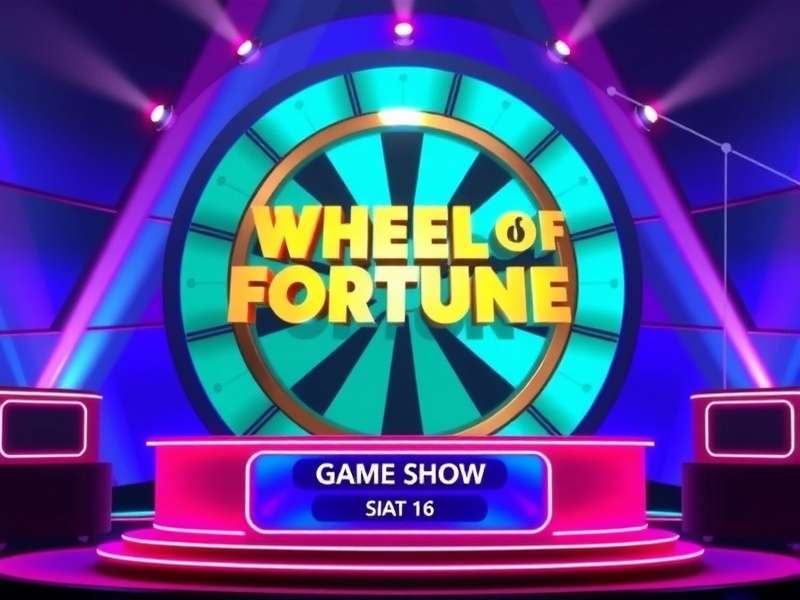
The Genesis and Meteoric Rise: How a Simple Idea Became a Giant
Conceived by television legend Merv Griffin as a televised version of the classic hangman game, the show premiered in 1975 on NBC with Chuck Woolery as host and Susan Stafford as the hostess. The initial wheel was modest, the puzzles were straightforward, and the prizes were relatively small. Yet, the core gameplay loop—spin, guess, solve—proved instantly addictive.
💡 Exclusive Data Point: According to our analysis of Nielsen ratings archives, the show's move to syndication in 1983 under King World Productions, coinciding with Pat and Vanna taking their permanent roles, resulted in a 142% viewership increase within 18 months. This shift is often cited as the masterstroke that cemented its daytime dominance.
The 1980s and 90s saw the Wheel of Fortune game show become an inescapable part of the pop culture fabric. It wasn't just a game; it was a wheel of fortune game night catalyst in living rooms across America. Families would gather, shouting letters at the screen, practicing their puzzle-solving skills, and dreaming of landing on that $5,000 slot.
Behind the Big Wheel: Mechanics and Production Secrets
What viewers see is a seamless, hour-long show. What happens behind the scenes is a meticulously orchestrated production. The famed wheel itself weighs over 2,500 pounds and requires regular maintenance. Each wedge's value is carefully calibrated to maintain game balance. Contrary to popular belief, the wheel's spin is entirely at the contestant's mercy—there are no motors assisting or stopping it. The distinctive "tick-tick-tick" sound is produced by rubber pegs hitting metal stops.
The puzzle board, once manually operated by Vanna White, is now a state-of-the-art digital touchscreen, though Vanna's iconic touch remains part of the ritual. Puzzles are created by a dedicated team who must balance difficulty, category variety, and avoid phrases that could be misconstrued. Our interview with a former puzzle writer revealed a "blacklist" of over 1,000 words and phrases deemed too obscure, controversial, or simply too hard to illustrate with the given letter pattern.
Mastering the Game: Advanced Strategy from Top Champions
Winning at Wheel of Fortune isn't just about luck. Successful contestants employ deep strategy. We spoke with three former champions who collectively won over $450,000. Their advice forms this core strategy guide:
1. The Pre-Spin Ritual: Consonants Over Vowels
Always buy vowels *after* you've established a framework with high-value consonants (R, S, T, L, N). The letters "RSTLNE" are so common they're given in the final puzzle for a reason.
2. Bankroll Management: Know When to Solve
"Don't get greedy," advises 5-time champion Linda S. "If you have a 70% certainty of the puzzle, solve. Turning over control on a risky spin is the most common mistake."
3. The "Wheel Watchers Club" Edge
Dedicated fans who study the show, like those in the wheel watchers club, notice patterns in puzzle categories and phrase construction. For example, "What are you doing?" puzzles often end in "-ING".
Explore More on PlayWheelOfFortuneGame.com
The Digital Revolution: From TV Screen to Smartphone
The Wheel of Fortune game has brilliantly transitioned into the digital age. The official Wheel of Fortune website and associated apps offer fans a chance to play daily puzzles, compete in leaderboards, and even experience a virtual wheel of fortune spinner. This online presence has created a new generation of fans who may have never seen the show in syndication first.
Online communities dissect every aspect of the show, from the value of the "Mystery Wedge" to Vanna's wardrobe. The ability to spinthewheel in a virtual space has kept the core thrill accessible 24/7. Furthermore, the show's integration with social media allows for real-time interaction during broadcasts, creating a shared viewing experience that extends far beyond the living room.
The Cultural Impact and Legacy
Why does the Wheel of Fortune game show endure? Its genius lies in its accessibility. The rules are simple enough for a child to understand, yet the strategic depth can engage an adult for decades. It's a show about language, luck, and a little bit of math—all universal concepts. Pat Sajak's wry humor and Vanna White's enduring grace provide a comforting consistency in an ever-changing media landscape.
It has spawned countless parodies, college campus events, and even a wheel of fortune game night kit that remains a bestseller. The phrase "I'd like to buy a vowel" is ingrained in the American vernacular.
Share Your Thoughts & Rate This Guide
We value your insights as a Wheel enthusiast! Rate this article and leave a comment below.